Freelancing has become one of the most popular How to Start Freelancing ways to earn money online and build a career on your own terms. Whether you want to work full-time, part-time, or just earn extra income, starting freelancing can give you flexibility, independence, and opportunities to grow professionally. In this guide, we’ll show you exactly how to start freelancing, step by step.
What is Freelancing?

Freelancing is a type of self-employment where you offer your skills or services to clients on a project or contract basis, rather than working for a single employer. Freelancers can work in a wide range of fields including writing, graphic design, programming, digital marketing, consulting, and more.
Benefits of Freelancing
- Flexibility: Work from anywhere and set your own schedule.
- Diverse Opportunities: Work on multiple projects for different clients.
- Income Potential: Ability to scale your earnings based on your skills.
- Skill Growth: Constantly learn new skills and gain real-world experience.
Step 1: Identify Your Skills
The first step to start freelancing is to know what services you can offer. Ask yourself:
- What am I good at?
- Which skills are in demand?
- Can I provide value to businesses or individuals?
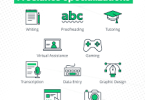
Common freelancing skills include:
- Writing and content creation
- Web development and programming
- Graphic design and video editing
- Digital marketing and SEO
- Social media management
- Virtual assistance
Step 2: Choose Your Freelancing Platform
Freelancing platforms connect you with clients looking for your skills. Some popular platforms include:
- Upwork: Great for beginners and experienced freelancers alike.
- Fiverr: Ideal for offering small services or “gigs” at set prices.
- Freelancer.com: Offers bidding on projects across multiple industries.
- Toptal: Focused on high-quality, professional freelancers.
Alternatively, you can find clients directly via LinkedIn, social media, or networking in your niche.
Step 3: Create a Strong Freelance Profile
Your profile is your first impression to potential clients. A strong profile should include:
- A professional profile photo
- A clear headline describing your services
- A compelling summary of your skills and experience
- Portfolio samples of your work
- Client reviews and testimonials (once you start getting projects)
Step 4: Set Your Rates

Pricing is one of the hardest parts of freelancing. Consider these tips:
- Start with competitive rates while you build your reputation.
- Charge per project or per hour, depending on the task.
- Research what other freelancers in your field charge.
- Don’t undervalue your skills – your time and expertise are valuable.
Step 5: Find Your First Clients
Getting your first clients is often the most challenging part. Here are ways to attract clients:
- Apply to projects on freelancing platforms regularly.
- Use social media to showcase your work.
- Network with professionals in your niche.
- Offer small projects or discounted rates to build a portfolio.
Step 6: Deliver High-Quality Work
Once you land a client, delivering high-quality work is essential for long-term success. Tips include:
- Communicate clearly and professionally.
- Meet deadlines consistently.
- Understand client requirements thoroughly before starting.
- Ask for feedback and improve continuously.
Step 7: Build Your Freelance Brand
As you gain experience, building a personal brand will help you attract better clients and higher-paying projects.
- Create a professional website or portfolio.
- Showcase case studies and client testimonials.
- Share insights and tips on social media or blogging.
- Specialize in a niche to become an expert in that field.
Step 8: Manage Your Freelance Business
Freelancing isn’t just about doing projects—it’s about running a business.
- Track income and expenses.
- Keep contracts and invoices organized.
- Learn basic accounting or use tools like QuickBooks.
- Set goals for growth and professional development.
Common Mistakes to Avoid When Starting Freelancing
- Underpricing your services: It may attract clients but undervalues your work.
- Overcommitting: Take on projects you can realistically complete.
- Ignoring contracts: Always have a written agreement with clients.
- Neglecting skill development: Freelancing is competitive; keep improving.
Conclusion
Starting freelancing can be overwhelming at first, but with the right approach, it can lead to financial freedom and a fulfilling career. Identify your skills, create a strong profile, find clients, and deliver quality work consistently. Remember, the key to success is persistence, professionalism, and continuous learning.
By following this step-by-step guide, you can confidently start your freelancing journey and grow it into a successful career.