In recent years, remote work opportunities have skyrocketed. The rise of technology, global connectivity, and the demand for work-life balance has made remote jobs accessible to millions worldwide. Whether you are looking to switch careers, earn extra income, or simply work from the comfort of your home, understanding the landscape of remote work is essential.
What Are Remote Work Opportunities?

Remote work opportunities refer to jobs or freelance positions that allow employees to work outside a traditional office setting. These jobs often provide flexibility in location and sometimes in working hours. Remote work is not limited to specific industries; it spans technology, marketing, customer service, writing, design, and more.
Some common types of remote work include:
- Freelancing: Short-term projects or tasks for clients globally.
- Telecommuting: Full-time roles that allow employees to work from home or anywhere.
- Gig Work: Task-based work via platforms like Upwork, Fiverr, or TaskRabbit.
- Entrepreneurship: Starting your own business online with minimal overhead.
Benefits of Remote Work
Remote work comes with several advantages that make it increasingly popular:
- Flexibility: Choose your working hours and manage personal responsibilities efficiently.
- Cost Savings: Reduce commuting costs, meals, and work attire expenses.
- Global Opportunities: Access job openings from companies across the world.
- Improved Productivity: Many remote workers report higher efficiency due to fewer office distractions.
- Better Work-Life Balance: Spend more time with family and enjoy personal hobbies.
Popular Remote Job Categories
Remote work is no longer limited to tech jobs. Here are some popular remote job categories:
- Information Technology (IT): Software development, IT support, network administration.
- Digital Marketing: SEO specialists, content marketing, social media managers.
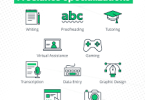
- Creative Roles: Graphic design, video editing, UX/UI design, photography.
- Writing and Translation: Copywriting, blogging, technical writing, translation services.
- Customer Support: Virtual assistants, customer service representatives, chat support.
- Education & Tutoring: Online teaching, course creation, academic consulting.
- Sales & Business Development: Lead generation, account management, B2B sales.
How to Find Remote Work Opportunities
Finding legitimate remote jobs requires strategy and caution. Here are some tips:
- Use Remote Job Platforms: Websites like We Work Remotely, Remote.co, FlexJobs, and Upwork are dedicated to remote roles.
- Leverage LinkedIn: Many companies post remote positions on LinkedIn. Use the “Remote” filter in job searches.
- Networking: Connect with industry peers online. Many opportunities come through referrals.
- Freelance Marketplaces: Fiverr, Freelancer, and Toptal offer freelance opportunities across various skill levels.
- Company Career Pages: Some companies are fully remote, so check their career sections regularly.
Skills That Boost Remote Work Opportunities

Certain skills are in high demand for remote jobs:
- Communication: Clear and timely communication is crucial in virtual environments.
- Time Management: Ability to meet deadlines without direct supervision.
- Technical Proficiency: Familiarity with remote work tools like Zoom, Slack, Trello, and Google Workspace.
- Self-Motivation: Discipline to work independently while maintaining productivity.
- Problem-Solving: Adaptability and critical thinking to handle tasks efficiently.
Challenges of Remote Work
While remote work has numerous benefits, it comes with challenges:
- Isolation: Lack of in-person interaction can lead to loneliness.
- Distractions at Home: Family, chores, or entertainment can interfere with work.
- Work-Life Balance: Without boundaries, work hours can extend beyond normal schedules.
- Communication Barriers: Misunderstandings can occur due to lack of face-to-face communication.
- Technical Issues: Internet or software problems can disrupt work.
Tips for Success in Remote Work
To thrive in remote work, consider the following:
- Create a Dedicated Workspace: A quiet, organized space boosts focus.
- Stick to a Routine: Schedule work hours and breaks consistently.
- Set Boundaries: Communicate availability to family and colleagues.
- Use Productivity Tools: Track tasks, manage projects, and communicate efficiently.
- Keep Learning: Continuously improve skills to stay competitive.
Future of Remote Work Opportunities
The trend of remote work opportunities is expected to grow. Companies are embracing hybrid and fully remote models, and technology continues to enable global collaboration. Professionals who adapt to remote work early will have an advantage in the competitive job market.
Remote work also opens doors for digital nomad lifestyles, allowing people to travel while earning. As automation reshapes industries, the demand for skilled remote professionals will continue to rise.
Conclusion
Remote work is no longer a temporary trend; it’s a permanent shift in how people work. Whether you are a freelancer, full-time employee, or aspiring entrepreneur, there are abundant remote work opportunities waiting for you. By leveraging the right platforms, improving essential skills, and maintaining discipline, you can enjoy the flexibility, freedom, and global opportunities that remote work provides.