Digital Marketing Skills Digital marketing is one of the fastest-growing fields in today’s online-driven world. Companies of all sizes are looking for professionals who can help them build brand awareness, generate leads, and boost sales online. However, to thrive in this competitive field, having the right digital marketing skills is essential. This guide will cover the most important skills every digital marketer should master in 2026.
1. Search Engine Optimization (SEO)

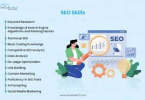
SEO is the foundation of digital marketing. It involves optimizing websites and content to rank higher in search engine results. Key SEO skills include:
- Keyword research: Understanding what users are searching for and targeting the right keywords.
- On-page SEO: Optimizing meta tags, headings, URLs, and content structure.
- Off-page SEO: Building backlinks and improving domain authority.
- Technical SEO: Ensuring website speed, mobile optimization, XML sitemaps, and structured data are in place.
- Analytics: Using tools like Google Analytics and Search Console to track performance.
Why it matters: SEO helps businesses attract organic traffic and reduces dependence on paid advertising.
2. Content Marketing
Content marketing is about creating valuable, relevant, and consistent content to attract and engage an audience. Key content marketing skills include:
- Copywriting: Writing persuasive and informative content that converts.
- Blogging: Producing SEO-friendly blog posts that educate and engage readers.
- Video marketing: Creating videos for YouTube, social media, or websites.
- Graphic design: Using visual content to support messaging (tools like Canva or Adobe Suite).
- Content strategy: Planning content calendars and ensuring content aligns with business goals.
Why it matters: Content is king. High-quality content builds trust, educates audiences, and drives conversions.
3. Social Media Marketing
Social media platforms are crucial for reaching and engaging with audiences. Key social media marketing skills include:
- Platform knowledge: Understanding algorithms and best practices for Facebook, Instagram, LinkedIn, TikTok, and Twitter.
- Community management: Responding to comments, messages, and fostering engagement.
- Paid social advertising: Running effective campaigns using Meta Ads, LinkedIn Ads, or TikTok Ads.
- Analytics: Measuring engagement, reach, and conversions using platform analytics tools.
- Creative skills: Designing posts, reels, stories, and interactive content.
Why it matters: Social media helps brands build relationships with customers and drive traffic to websites.
4. Email Marketing
Email marketing is still one of the most effective channels for lead nurturing and conversions. Essential email marketing skills include:
- Segmentation: Targeting different customer groups with tailored messages.
- Automation: Using tools like Mailchimp, HubSpot, or Klaviyo to send automated sequences.
- Copywriting: Crafting subject lines and content that encourage clicks.
- A/B testing: Optimizing emails for open rates, click-through rates, and conversions.
- Analytics: Tracking open rates, click rates, and ROI.
Why it matters: Email marketing allows for personalized communication and long-term engagement with customers.
5. Paid Advertising (PPC)

Paid advertising is a fast way to reach target audiences and drive traffic. Key PPC skills include:
- Google Ads: Creating search, display, and shopping campaigns.
- Social Ads: Running paid campaigns on Facebook, Instagram, and LinkedIn.
- Keyword targeting: Selecting high-converting keywords for ads.
- Bid management: Managing budgets to maximize ROI.
- Analytics: Tracking conversions, ROAS (Return on Ad Spend), and campaign performance.
Why it matters: Paid ads complement organic marketing and deliver fast, measurable results.
6. Data Analytics
Data-driven decision-making is at the heart of modern marketing. Key analytics skills include:
- Google Analytics: Monitoring traffic, behavior, and conversions.
- Social media insights: Understanding engagement, impressions, and demographics.
- Conversion tracking: Measuring campaign performance across channels.
- Excel & reporting tools: Organizing and visualizing marketing data effectively.
- A/B testing: Analyzing results to improve campaigns.
Why it matters: Analytics help marketers make informed decisions, optimize campaigns, and justify marketing spend.
7. Marketing Automation
Marketing automation involves using software to streamline repetitive tasks. Essential skills include:
- CRM management: Using platforms like HubSpot, Salesforce, or Zoho.
- Workflow creation: Setting up automated email, SMS, and social campaigns.
- Lead scoring: Prioritizing leads based on engagement and likelihood to convert.
- Integration skills: Connecting marketing tools with websites, e-commerce, and analytics.
Why it matters: Automation saves time, improves efficiency, and ensures consistent communication with prospects.
8. Soft Skills
Besides technical skills, digital marketers also need strong soft skills:
- Communication: Clear writing and presentation skills.
- Creativity: Generating innovative ideas for campaigns.
- Adaptability: Staying updated with evolving digital trends.
- Problem-solving: Addressing challenges and finding solutions quickly.
- Project management: Managing timelines, teams, and campaigns efficiently.
Why it matters: Soft skills enhance collaboration, creativity, and leadership, which are crucial in dynamic digital environments.
Conclusion
Digital marketing is a constantly evolving field, and mastering these skills is essential for anyone looking to succeed in 2026. From SEO and content marketing to social media, email, paid advertising, and analytics, each skill contributes to building a holistic marketing strategy. By continuously learning and adapting to new tools and trends, digital marketers can stay ahead of the competition and deliver measurable results.